Fixed-Wing
VTOL
Hybrid Aircraft Combining Vertical Takeoff with Efficient Forward Flight
Overview
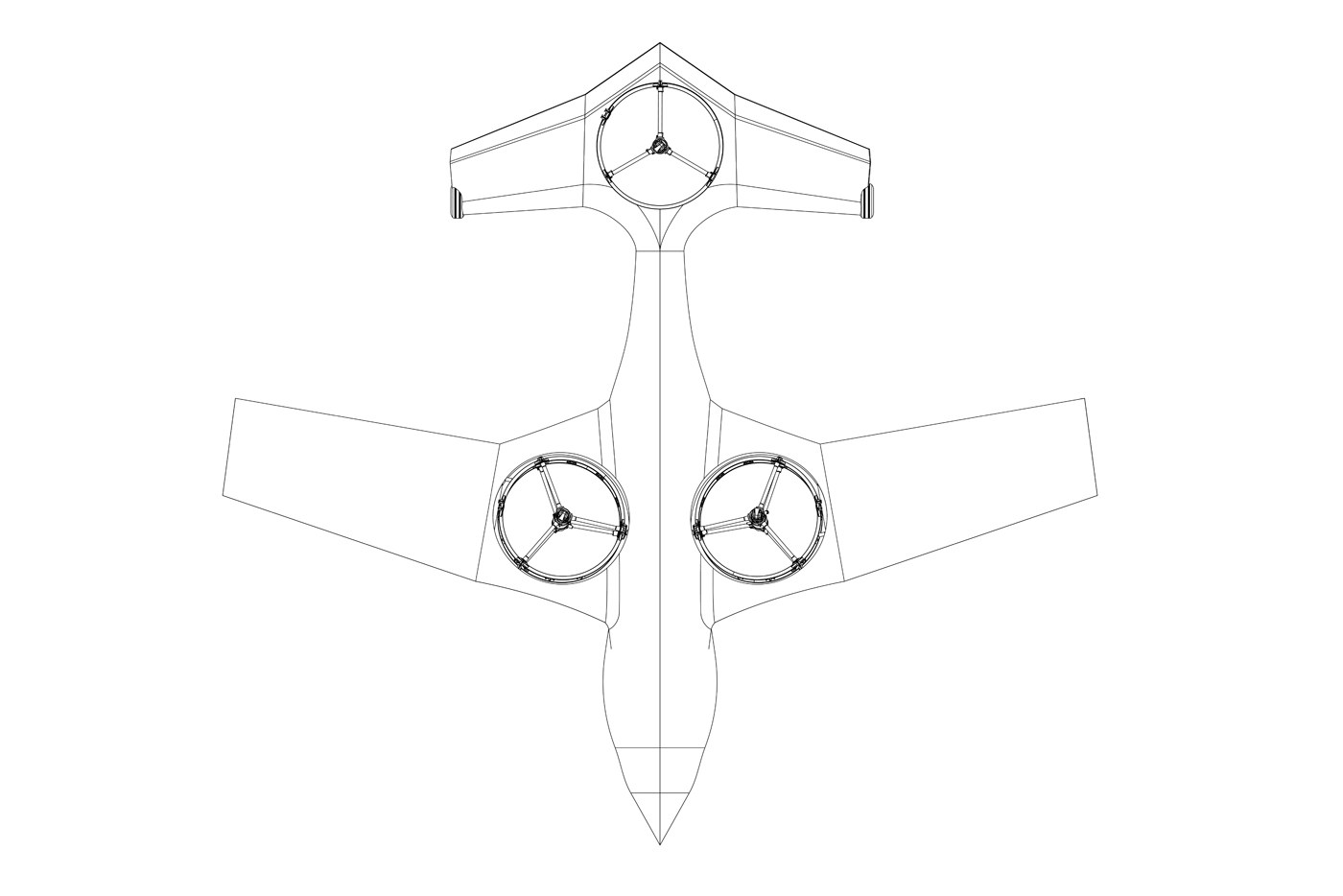
The Fixed-Wing VTOL (Vertical Takeoff and Landing) represents the pinnacle of our engineering capabilities. This hybrid aircraft combines the vertical flight capabilities of a multirotor with the efficient forward flight characteristics of a fixed-wing aircraft.
Our VTOL can take off and land in confined spaces like a helicopter, then transition to fixed-wing flight for extended range and endurance. This makes it ideal for surveillance, mapping, and long-range missions.
Technical Specifications
Airframe
Propulsion System
Flight Controller
Performance
Flight Modes
Multicopter Mode
Vertical takeoff and landing using quad-rotor configuration. Stable hovering for precision maneuvers, loitering, and confined space operations.
Transition Mode
Smooth transition between multicopter and fixed-wing modes. Automated transition sequence with airspeed and altitude monitoring.
Fixed-Wing Mode
Efficient forward flight with extended range and endurance. Aerodynamic lift enables high-speed cruise and maximum flight time.
Development Timeline
Research & Planning
Comprehensive study of VTOL configurations. Selected tail-sitter design for optimal performance and simplicity.
CAD Design & Simulation
Completed 3D modeling and CFD analysis. Optimized wing design for both hover and forward flight efficiency.
Prototype Construction
Built first prototype using carbon fiber and foam composite. Integrated flight controller and completed electrical systems.
Hover Testing
Successfully achieved stable hover. Tuned PID controllers for optimal stability in multicopter mode.
Transition Testing
Developing and refining transition algorithms. Working towards fully autonomous mode transitions and waypoint navigation.
Key Features & Capabilities
No Runway Required
Takes off and lands vertically in spaces as small as 2x2 meters. Perfect for operations in confined or remote areas.
Extended Endurance
Fixed-wing flight provides 3x longer flight time compared to pure multicopters. Efficient for long-range missions.
Autonomous Operation
Fully autonomous mission planning with waypoint navigation, auto-takeoff, auto-land, and failsafe return-to-home.
Advanced Sensors
Equipped with GPS, IMU, airspeed sensor, and barometer for precise flight control in all conditions.
Payload Capacity
500g payload capacity suitable for cameras, sensors, or other mission-specific equipment.
Long-Range Telemetry
433MHz telemetry system provides real-time flight data and control up to 5km range.
Engineering Challenges
Challenge: Transition Control
Problem: Achieving smooth and stable transition between hover and forward flight modes without losing altitude or control.
✓ Solution: Developed custom transition algorithm that gradually increases forward motor thrust while reducing VTOL motor power. Airspeed sensor ensures adequate wing lift before full transition.
Challenge: Weight Distribution
Problem: Balancing center of gravity for both hover stability and forward flight efficiency proved difficult.
✓ Solution: Strategically positioned battery and electronics to achieve optimal CG. Conducted extensive testing in both flight modes to validate design.
Challenge: Motor Cooling
Problem: VTOL motors experienced overheating during extended hover operations due to high current draw.
✓ Solution: Added dedicated cooling ducts and selected motors with higher thermal margins. Implemented temperature monitoring with automatic power limiting.
Flight Demonstration
Watch our VTOL aircraft perform autonomous takeoff, transition, and landing sequences.
Flight demonstration video coming soon
Currently editing footage from recent test flights
Potential Applications
Aerial Surveying
Long-range mapping and surveying with vertical takeoff from confined locations.
Surveillance
Extended loitering time for monitoring and reconnaissance missions.
Cargo Delivery
Efficient transport of small packages to remote or inaccessible areas.
Agricultural Monitoring
Crop health assessment and precision agriculture applications.
Project Gallery